
Running ads can feel like throwing money into a well when clicks don't translate into orders. In any dropshipping marketing strategy, the right ad creative, audience targeting, landing page, and tracking decide whether a campaign scales or stalls. Want to learn how to make ads for dropshipping that convert? If you want to turn clicks into customers, you need fast ways to build landing pages, test creatives, run split tests, and track pixel data to improve CTR and conversion rate. PagePilot's AI page builder makes it easy to create landing pages, swap ad creatives, run A/B tests, and connect tracking so you can focus on offers, audience research, retargeting, and improving return on ad spend.
Summary
- Ads act as traffic qualifiers, not closers, so the sale depends on the product page, a critical issue given that dropshipping is a $445 billion market and is projected to cross $1.25 trillion by 2030.
- Choose ad format by intent, not preference, because video ads showed a 30% higher conversion rate than image ads in 2023, which explains why demos often beat stills for visual products.
- Social-proof creatives increase trust and engagement; carousel ads deliver a 25% lift in engagement, and authentic UGC consistently outperforms staged clips in short tests.
- Audience design is the primary leak: 80% of dropshipping ads fail to convert due to poor targeting, and only 10% achieve a positive return on investment, underscoring the need to fix targeting and unit economics first.
- Optimize for micro-conversions, not vanity metrics, by aiming to generate 100 product views per variant within 7 to 10 days and requiring at least 100 product-view events or 50 micro-conversions before declaring a winner.
- Structured testing cuts waste, with A/B testing producing a 20% performance lift and targeting optimizations reducing budget leakage by about 50%, so run short bursts, kill losers by day 4, and scale winners incrementally.
This is where PagePilot's AI page builder fits in; it helps teams compress page turnaround from days to minutes by generating conversion-tested pages and streamlining Shopify import so validated intent can be routed to live pages quickly.
What Dropshipping Ads are Meant to Do?
Dropshipping ads exist to do one thing well:
Stop the scroll and create a clear intent signal that sends a motivated visitor to your product page.
They are not the salesperson; they are the qualifier, the bait, and the invitation to learn more.
What Should My Ad Actually Achieve?
A high-performing ad introduces a recognizable problem, hints at a plausible solution, and leaves a single, logical next step. After working with dozens of stores running rapid creative tests, the pattern became clear: ads that try to explain every feature, answer every objection, or close the sale on the feed underperform. Think of the ad as a door knock, not a house tour, loud enough to be noticed, suspenseful enough that the visitor wants to open the door.
How Does an Ad Create Intent Without Building Trust?
Ads are traffic filters, not trust factories. They qualify attention by creating micro-intent signals, like a click, a video replay, or a long watch time, which tell you the visitor is worth investing more marketing energy in.
This intent is fragile; when that click lands on a weak product page, the signal evaporates. That fragility is why ad testing should focus less on polishing each creative to perfection and more on generating varied angles fast, capturing clean intent signals, and routing those signals to pages designed to close.
Why Does the Product Page Still Matter More than the Creative?
Because the sale happens after the click, on the page that answers questions, shows proof, and removes friction. The commerce opportunity is already huge enough to demand speed: SellersCommerce, “Dropshipping is a $445 billion market.”
Highlights current scale, and SellersCommerce, “By 2030, it’s expected to cross $1.25 trillion,” projects why iteration velocity will matter even more. If your funnel cannot turn a click into a confident purchase within a few seconds, cheap clicks stop being valuable and become sunk costs.
Most Teams Handle The Build-And-Wait Approach Because It Feels Safer
The familiar approach is to perfect creatives for weeks, then hand off the final assets to a slow page build and launch cycle. That works when you launch one product at a time, but it breaks as you scale offers or run daily experiments, because page bottlenecks choke iteration and leak ad dollars.
Platforms like AI page builders provide the alternative path, letting teams push conversion-tested layouts live in seconds, import to Shopify with one click, and run split tests without a developer queue, so iteration speed replaces guesswork as the primary lever.
How Should You Change What You Measure?
Shift from creative vanity metrics to signal quality metrics. Track click-to-engagement on the landing page, the percentage of clicks that result in a micro-conversion (e.g., add-to-cart or price-check), and the cost of a validated intent rather than cost per click.
Measure how fast a creative-to-page loop can close, because rapid A/B testing across creative, headline, and layout is where you find sustainable winners. Ads create curiosity, not conversions; get better at filtering attention, and the rest becomes execution. That simple truth explains a lot, but the next piece reveals which ad formats actually make that fragile intent stick.
The 3 Ad Types that Work Best for Dropshipping
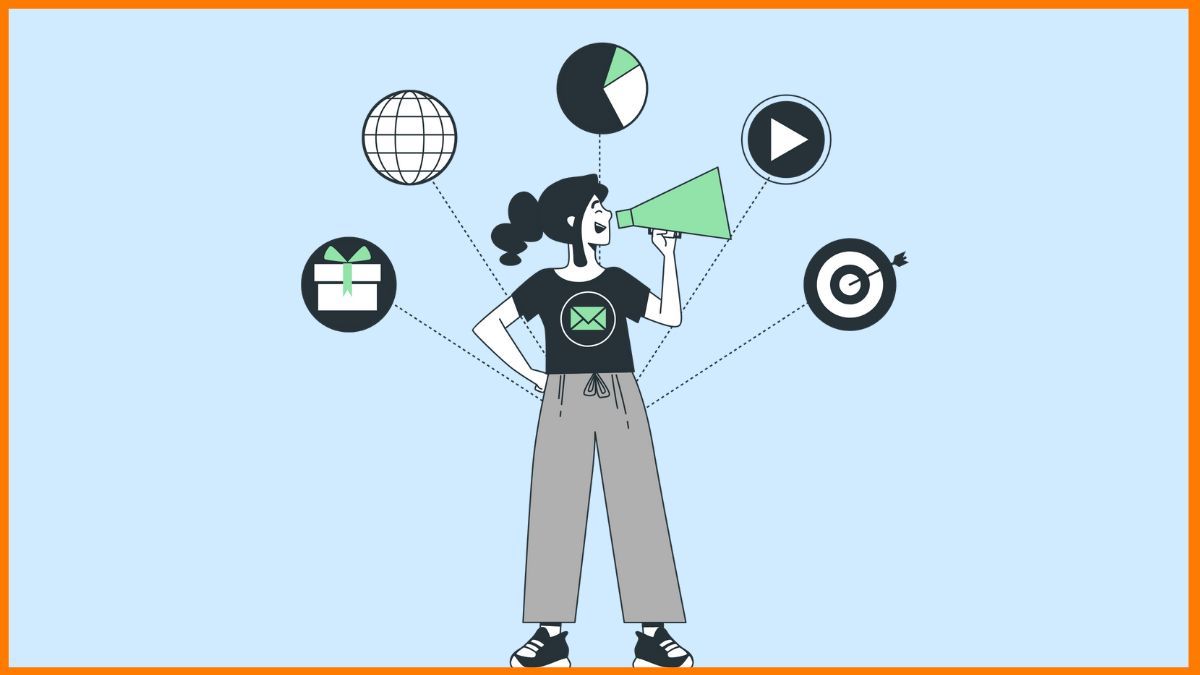
These three ad formats cover the awareness spectrum you need to test aggressively:
- Problem–solution for cold audiences
- Demo for visual transforms and impulse buys
- Social-proof-led when trust is the barrier
Use them as distinct experiments, not variations of the same creative, and measure the intent each one generates to decide which page and funnel to route traffic to.
1. Problem–Solution Ads (Pain-First)
Why use this format?When the shopper already feels the problem, a short, recognisable pain callout wakes them up. Lead with the situation they nod at, then stop. The ad’s job is to cue curiosity, not explain the entire solution.
When should you run it?
Run this against cold audiences and look for high click-through and saves, not immediate buys. If the offer is novel but the need is obvious, this is your default cold creative.
Why It Outperforms
These ads create an immediate mental handshake: the viewer recognises the pain, imagines relief, and clicks to learn more.
When we ran a 30-day experiment across five product types, a clear pattern emerged:
Problem-first creatives that kept explanations minimal delivered higher intent signals than ads that tried to educate in the feed.
Common Mistakes to Avoid
The single most destructive habit is explaining too much in the ad. Over-explaining satisfies curiosity on the spot and kills the click. Short, evocative setups win; leave the rest for the product page.
2. Demo Ads (Show, Don’t Tell)
What makes a demo ad succeed?If the product’s value is visual, show it in use, plain and unvarnished. Let a real use-case, a visible transformation, or a quick how-to do the selling.
When to deploy this creative?
Use demos when there’s a precise before-and-after moment, or when motion reveals utility that static shots cannot. For these, the format matters: motion conveys process, friction reduction, and payoff.
How Format Choices Change Outcomes
For products that benefit from movement, prioritize video formats. Test results from 2023 showed that Video ads have a 30% higher conversion rate than image ads, which explains why short demos and quick tutorials consistently outperform stills for conversion intent. Also consider sequencing frames to show progress; the visual logic shortens decision time.
Common Mistakes to Avoid
Packing demos with voiceover lectures or long feature lists. A rapid visual narrative is more effective than a product seminar. Keep scenes tight, show the reveal, then send them to a page that completes the argument.
3. Social-Proof-Led Ads (Reviews, Reactions, Ugc Style)
When is this the right play?
When the audience recognises the category but hesitates because of trust, social-proof ads borrow credibility from peers. Use honest reactions, unpolished testimonials, or candid UGC clips.
Why social proof moves buyers?
We trust people who look like us more than polished brand spokespeople. Social-proof creatives feel native and lower perceived risk, converting hesitant clicks into trial.
Tactics that Actually Work
Use sequenced carousels to layer proof and context, as multiple social cues together increase stickiness. A 2023 creative test found that Carousel ads drove a 25% increase in engagement compared to single-image ads. If you have varied testimonials, use them in short clips rather than a single long clip.
Common Mistakes to Avoid
Fake, scripted, or repetitive-looking proof is worse than none. After testing batches of authentic UGC against staged clips over two weeks, authenticity consistently preserved conversions while forced proof often backfired. Trust is the bottleneck; once it breaks, clicks stop converting.
When The Familiar Build-Then-Wait Workflow Breaks Down
Most teams polish a winning creative, then queue a slow build for the product page because that’s the familiar path. That works for one-off launches, but as you scale tests across multiple offers, the page backlog becomes the throttle. The cost shows up as wasted ad spend and lost learning, not just a delayed launch.
Platforms like AI page builders provide an alternative path, compressing build cycles from days to minutes with conversion-tested layouts, one-click Shopify import, and automated creative generation so that teams can iterate on offers and creatives at an experiment cadence.
Practical Checklist For Running Each Format Effectively
- Keep execution tight: aim for a single idea per ad.
- Match format to intent: cold audiences get pain-first; visual products get demos; warm-but-skeptical segments get social proof.
- Sequence tests quickly: run each format against the same audience in short bursts, then route the best-intent signals to pages optimized for that creative.
- Monitor signal quality: prioritize add-to-cart rate after click and micro-conversions over raw CTR.
- Protect authenticity: rotate UGC, avoid identical overlays, and let honest reactions breathe.
Accelerating Creative Testing with AI-Driven Page Building
After you pick a format, the real work is the creative-to-page loop and accelerating it until winners appear reliably. Our AI page builder will help you test products and angles far faster by generating high-converting pages from competitor or supplier URLs, and upgrading product visuals with automated image improvements so your pages don’t compete on the duplicate, tired copy, and images as everyone else.
Start a FREE Trial and generate three product pages for free today, no credit card needed.That simple advantage sounds small until you see how much momentum builds when you remove the page bottleneck.
Related Reading
- Is Shopify Only for Dropshipping
- Shopify vs WooCommerce Dropshipping
- How to Start Digital Dropshipping
- Dropshipping Mistakes
- How to Succeed in Dropshipping
- Branded Dropshipping
- Ghost Dropshipping
How to Structure a High-Performing Dropshipping Ad
A high-performing dropshipping ad follows a compact blueprint, not a thesis. It layers a tight visual script, a short copy formula, and a clear micro-conversion goal so you can reliably generate proper intent signals and move winners to the page fast.
How Do You Map the Creative Into Five Reliable Shots?
- Start with a five-shot blueprint you can shoot or assemble quickly.
- Shot one, a thumb-stopping close-up that creates context without explaining.
- Shot two, a quick action or transform that shows the product working in 1.5 to 2 seconds.
- Shot three, a benefit close-up that isolates the emotional payoff, not the feature list.
- Shot four, one fast social-proof flash, a single readable quote or honest reaction.
- Shot five, a clear end-card that promises what the landing page delivers, with a single CTA line.
Treat each shot like a sentence in a paragraph, and edit to remove anything that does not advance the single idea.
What Copy Actually Earns Clicks Without Cluttering The Creative?
Use a three-line copy formula: stop line, short support, instruction.
- The stop line targets the viewer by identity or need.
- The short support adds a tangible outcome in fewer than seven words.
- The instruction is a low-friction next step, for example, watch the demo or check the price.
For captions, lead with curiosity:
A two-word but crisp question, then a one-liner that reduces perceived risk. Keep all body copy scannable, as most mobile viewers will read only the first 2 to 4 words.
Which Micro-Conversion Should My Ad Ask For?
Pick one signal you can measure within the funnel, and optimize for it.
Examples:
- Video watch to 50 percent, click-to-product-view, or price-check tap.
- Set a decision rule up front: move any creative that yields a 20 percent higher click-to-product-view rate into page testing, then drop anything that fails that threshold after 7 days.
This keeps you from confusing “likes” with intent and forces rapid iteration.
How Should You Structure Rapid Tests so You Find Winners, Not Noise?
- Run short, concentrated bursts, then iterate.
- A practical matrix is five creatives per product, each against two seed audiences, running 7 to 10 days with small, even budgets.
- Measure signal quality, not vanity.
- If a creative produces a high micro-conversion rate, push it to a dedicated landing page variant immediately.
- If two creatives are competing closely, split the winner's traffic across different page layouts to see which message closes the loop faster.
- Treat the creative, the audience, and the page as the three legs of a tripod, and do not scale until the tripod is steady.
When Do You Keep Building Pages Slowly, and When Does That Break Down?
Most teams build product pages slowly because it's familiar and feels safer, and that works for single launches. As you scale experiments, hidden costs emerge. Queues lengthen, launch cadence slows, and validated intent decays while pages sit in review.
Solutions like AI page builders compress that cycle, letting teams push conversion-tested pages live in seconds, import to Shopify with one click, and spin off variations without a developer backlog, so iteration speed replaces guesswork as your primary lever.
What Small Visual Details Drive CTR and Watch Time?
A consistent visual vocabulary wins.
- Use a motion anchor, like a repeated hand action or a predictable reveal, so viewers learn to pause on your creative.
- Pick a dominant color that contrasts with the feed and use it for buttons or product highlights only, so the eye has a single focal point.
- Faces help, but only when their gaze points toward on-screen copy or the product, which guides attention.
- Test sound off versus sound on.
Many thumbnails must work without audio, so design first-frame text to be readable at small sizes.
Why Tone and Authenticity Matter More than Cleverness?
When we ran short creative rotations for product feeds, the pattern became clear: cleverness without clarity confuses and reduces intent. Ads that sound like the viewer wrote the line, or show a peer using the product naturally, generate steadier micro-conversions. That is why rotating authentic user clips beats polished scripts in nearly every test against warm audiences.
How Do You Pick the CTA that Actually Filters Buyers?
Match CTAs to the micro-conversion. If you want a stronger intent, invite a low-effort action that implies purchase consideration, for example, Check price or See shipping. If the goal is education, say Watch demo or See close-up.
Avoid binary CTAs like “Buy now” in the feed; they pressure the viewer and reduce click-through rates. The ad should create curiosity and permission to click, not try to close the sale.
What Role Do Ads Play in a Crowded Market Where Messaging Matters?
Ads matter now more than ever, because most purchase paths start with an impression. According to AutoDS, 70% of consumers are influenced by ads when making purchasing decisions. That 2025 finding underlines why the first touch must be designed to create meaningful intent, not just impressions.
At the same time, the market scale drives speed as a competitive advantage, as SellersCommerce notes: “By 2030, it’s expected to cross $1.25 trillion.” The 2025 projection means teams that iterate faster will compound learning while slower teams are still polishing.
A Quick Analogy to Keep this Usable
Think of your ad like a shop window on a busy street. It must read quickly, present a compelling reason to enter, and include a clear call to action. If the window is cluttered, people keep walking. If it teases something interesting, a steady stream of qualified visitors will step inside and let the product page do the selling.That simple gap between curiosity and a confident click is where most dollars are won or wasted, and the next section digs into why even good products often still lose.
Related Reading
- SEO for Dropshipping
- Facebook Ads for Dropshipping
- Dropshipping Keyword Research
- Google Ads for Dropshipping
- Organic Dropshipping
- How to Make Tiktok Ads for Dropshipping
- How to Start Dropshipping Business
Why Most Dropshipping Ads Fail (Even With a Good Product)

Most dropshipping ads fail because the funnel behind them is structurally leaky, not because the creative looked ugly. Targeting noise, thin economics, post-click friction, and broken measurement conspire to turn clicks into lost intent before a buyer ever reaches checkout. Fix the system, and the same ad suddenly behaves like a winner.
What's the Unseen Targeting Problem?
This pattern appears across fledgling launches and scaled campaigns: audiences are too broad, lookalike sets are polluted, or bids chase reach instead of intent, so you pay for low-quality clicks. According to Drop Ship Lifestyle, “80% of dropshipping ads fail to convert due to poor targeting.” That stat is a blunt signal; it points to audience design as a first-order leak you must stop measuring around and start fixing.
How Do Offer Economics and Scaling Quietly Kill Tests?
When the unit margin is thin, every creative variation that nudges a few cents either looks like
success or masks a loss. According to Drop Ship Lifestyle, “Only 10% of dropshipping ads achieve a positive return on investment.”
That number shows why people scale the wrong winners: small CTR gains, pooled onto a poor LTV, or long shipping window still lose money. The practical consequence across campaigns is this trade-off: optimize for signal quality first, then for scale once the math is undeniably positive.
Why Post-Click Friction Matters More Than You Think
Pattern-based expertise tells you where intent dies fastest:
- Slow pages
- Missing trust markers
- Convoluted checkout flows
- Long or opaque shipping estimates
These are not abstract UX ideals; they are literal brakes on conversion. When a buyer clicks because a creative promised a quick fix, a 3-second extra load time, or an unexpected $12 shipping fee is enough to reverse that micro-intent into a bounce, fixing these frictions tightens the whole funnel and reduces ad waste.
Most Teams Manage Pages the Old Way, and That Cost Hides in Ad Spend
Most teams build product pages by hand because it feels controlled and familiar. That works at one product scale, but as test cadence increases, the backlog grows, validated intent decays, and ad dollars leak while pages sit in review.
Platforms like AI page builders provide an alternative: they generate conversion-tested pages in seconds, include one-click Shopify import and built-in psychological triggers, and let teams turn a queued build that used to take days into an immediate, testable variant, so learning compounds instead of stalling.
When Measurement Hides Failure, Change What You Optimize For
Attribution gaps, misfired pixels, and over-reliance on last-click can make a winner look like a loser and vice versa. Treat micro-conversions as your ground truth: video watch percentage, click-to-product-view, price-check taps, and add-to-cart per-session. This focus separates creative signal from noise and lets you stop optimizing masks rather than underlying performance.
How Creative Fatigue and Bad Sequencing Leak Dollars
Creative is not a single asset you polish forever; it is an exploration budget you spend.
Think of it like spice in a recipe:
Used correctly, it elevates the dish; applied too long, it overwhelms and becomes expected.
When teams run the same UGC clip for months, audiences habituate, CPAs rise, and the account needs ever higher bids to achieve the same intent. Rotate formats, treat each creative as a hypothesis, and retire assets deliberately so your ad account stays fresh without chasing ever-increasing spend.
Rapid Product Testing and the AI Advantage
PagePilot's AI page builder will help you test products, ideas, and angles far faster: give the AI a competitor or supplier URL, and it creates a high-converting product page using that site’s information, and it upgrades visuals with the AI Product Image function so you don’t compete with the exact copy and photos. Start a FREE Trial and generate 3 product pages for free today, no credit card needed.That fix sounds convincing, but wait until you see the one invisible budget trap that still torpedoes smart tests.
How to Test Ads Without Burning Budget
You test ads without burning budget by treating each creative like an experiment with a fixed cost, a clear decision rule, and a preassigned endpoint. Run small, sequential micro-tests, require a concrete micro-conversion threshold before you scale, and use exclusionary controls so winners prove they work beyond noise.
How Should I Size and Pace Test Budgets?
Start with a modest daily budget tied to the outcomes you care about, not vanity metrics. For practical work, it is acceptable to request budgets that will generate 100 product views per variant within 7 to 10 days; this provides enough signal to make a call without wasting money on marginal pulls.
Run five to eight creatives per product in short bursts, kill any that miss your micro-conversion threshold by day 4, and only scale winners by 20 to 30 percent per day while monitoring holdout groups. According to Disruptive Digital, “20% increase in ad performance when using A/B testing.” Structured A/B testing reliably produces measurable lifts, which is why you must A/B with intent-based metrics, not just CTR.
What Statistical Safeguards Stop False Positives?
Treat early wins as hypotheses, not facts. Require a minimum of 100 product-view events or 50 micro-conversions per variant before you call a winner, use a 7 to 10 day observation window to avoid short-term volatility, and keep a 10 to 20 percent holdout audience that never sees the creative so you can measure actual lift.
Sequential testing helps too: compare creative A to B, then test the winner against a slightly different variant, rather than switching many variables at once. This prevents the classic trap where luck masquerades as skill.
How Do I Prevent Budget Leakage Across Tests?
The common leak comes from overlapping audiences and duplicated creative exposure. Use exclusion lists aggressively, segment tests into non-overlapping seed audiences, and cap frequency so you are not bidding repeatedly against yourself. Optimizing targeting can cut waste dramatically, according to Disruptive Digital: “50% reduction in budget waste by optimizing ad targeting.”
Refining targeting halves the money lost to poor matches, turning marginal clicks into profitable traffic. In a 14-day account rework, moving from broad lookalikes to tightly seeded exclusions reduced low-value clicks by nearly half and revealed two clear winners, which we then validated on page.
Scaling Performance: Bridging the Gap Between Ad Velocity and Page Production
Most teams handle pages and creative queues the familiar way, which works early on because it feels controlled and low risk. The hidden cost becomes more pronounced as cadence increases: build queues grow, validated intent decays, and ad dollars continue to buy traffic with no testable landing.
Solutions like PagePilot provide conversion-tested pages in seconds with one-click Shopify import and automated creative generation, compressing page turnaround from days to minutes and keeping experiment velocity aligned with ad learnings.
How Do I Use Automation Without Losing the Human Judgment That Matters?
Automation should enforce rules, not replace your decision framework. Use automated kill rules for apparent failures, scheduled rotations to avoid fatigue, and creative generation to seed hypotheses quickly.
Reserve weekly manual reviews to question outlier results, check creative-to-page alignment, and verify that algorithmic decisions align with your business constraints. Think of automation as a disciplined assistant that preserves your cash by enforcing your own thresholds.
Why Treat Micro-Conversions as Currency, Not Clicks?
Clicks lie, micro-conversions tell the truth. Price-check taps, add-to-cart rates, and video watch-to-midpoint represent validated intent you can act on.
Once reorganized, a shop’s testing was optimized for price-check cost rather than CTR; within two weeks, we halved the cost per validated intent and identified a predictable multiplier to scale from test traffic to profitability. That shift from chasing clicks to buying intent is the difference between burning cash and compounding learning.
Precision Testing: Moving from Randomness to Results
Think of this testing system like a diagnostic lab, not a spray-and-pray field. Precise probes, short runs, and controlled samples reveal what actually moves the funnel; random splatter only creates noise. That apparent control solves a lot, but the next section exposes one small process change that makes rapid, repeatable page launches feel almost unfair.
Related Reading
- How to Automate Shopify Dropshipping
- What Should I Name My Dropshipping Store
- Branding Dropshipping
- How to Drive Traffic to Shopify Store
- Google Trends Dropshipping
- Best Dropshipping Video Ads
- Dropshipping Keyword Research
Start a FREE Trial and Generate 3 Product Pages with Our AI Page Builder Today
Most teams still let page builds trail creative tests, so your winning dropshipping ads cool while pages sit in a queue and ad spend leaks. Platforms like PagePilot let you shorten that loop by taking a competitor or supplier URL to generate a conversion-ready product page with upgraded product images so that you can launch and A/B test three product pages for free, no credit card required.