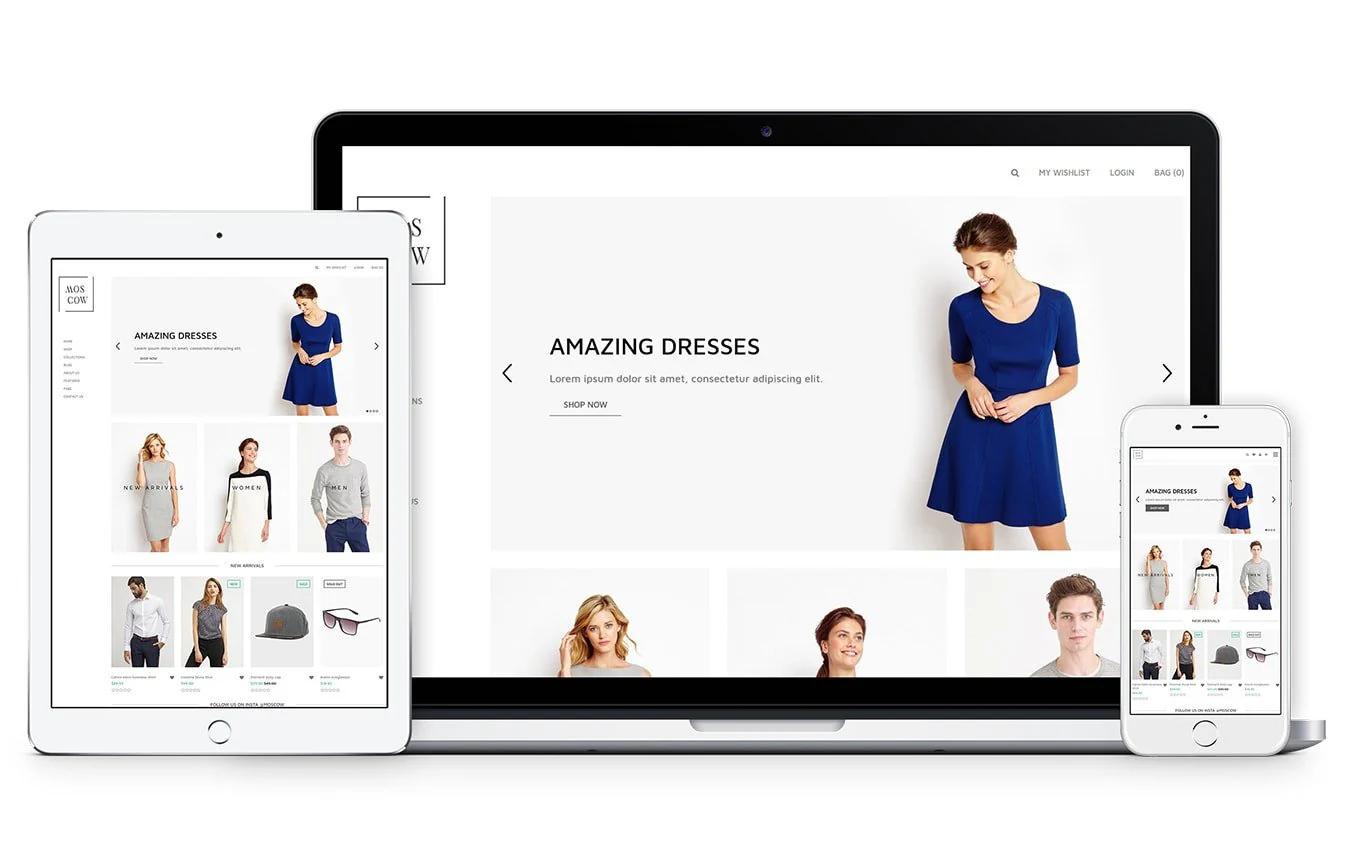

You pour money into ads, but sales barely move; the wrong creative or format eats your budget and leaves you guessing. Video ads often make or break a campaign in any dropshipping marketing strategy, and the right hook, product demo, testimonial, or short-form clip can quickly lift CTR and ROAS. Want clear examples of the best dropshipping video ads and formats that drive conversion, plus practical tips on ad creatives, calls to action, and split testing for Facebook ads, Instagram Reels, and YouTube ads? PagePilot’s AI page builder helps you turn those ad ideas into matching landing pages and headlines, craft focused calls to action, and run faster tests so your best video ads convert more buyers.
Summary
- Template homogeneity drives clip blindness: 80% of dropshipping video ads use the same template, and over 50% fail to capture attention within the first 3 seconds, so familiar hooks quickly lose the thumb-stop window.
- Short, focused edits outperform long cuts, videos 30 seconds or less have an 88% higher completion rate, and including a clear call to action boosts clicks dramatically (videos with a CTA saw a 380% increase in clicks).
- Broken testing and measurement produce false positives, so enforce minimum evidence, such as 30 to 50 micro-conversions or a fixed spend window, and wait 48 to 72 hours for early signals before declaring a winner.
- Isolate variables and sequence creatives, start with three short edits that share the same promise and landing page, rotate distinct hooks every 48 to 72 hours, and note that introducing two novel angles in a 60-day test doubled thumb-stop rates.
- Operational discipline scales experimentation, for example, a strict naming convention across 18 ads in a 14-day sprint cut setup time from about 3 hours per creative to roughly 30 minutes, while production rules like capturing three distinct hooks and exporting vertical plus square cuts preserve novelty at speed.
- Post-click quality and fulfillment matter as much as creative, given industry fragility: Cloudways reports that 90% of dropshippers fail early, and AppScenic finds only 5% to 10% of dropshipping businesses succeed. Downstream issues can silently throttle ad delivery and raise costs.
PagePilot's AI page builder addresses this by automatically generating matching landing pages and ad-ready creatives, so teams can iterate on videos and pages together while preserving a clean test signal.
Most Dropshipping Video Ads Look the Same

Most dropshipping video ads look the same because teams lean on the fastest, cheapest path:
- The same supplier clips
- The same hook structures
- The same caption formulas
It eliminates any chance of standing out in a crowded feed. That sameness creates clip blindness, so even well-targeted traffic scrolls past before your creative earns a single meaningful impression.
Why Do So Many Creatives Converge?
When we audited ad accounts across a 90-day sprint for a dozen stores, the creative pool collapsed into six repeat clips used across multiple campaigns. The familiar approach is practical; it gets assets to live quickly, but the effect is predictable: creative homogeneity.
Many performance teams accept that trade-off because speed beats perfection when you need to test 20 products in a month, yet that shortcut removes the single biggest lever on early ad performance: novelty.
What Exactly Kills Attention So Fast?
A 2025 Marketing Study found that over 50% of video ads fail to capture attention within the first 3 seconds. When viewers have seen the same transitions, the same reaction shots, and the same voiceover cadence across dozens of ads, the thumb-stop window closes.
Those first three seconds are the only time you can make someone pause; losing it inflates CPAs and forces marketers to keep raising bids just to hold ground.
Are Template Habits Really That Common?
Yes, and the scale is alarming: a 2023 content audit observed that 80% of dropshipping video ads use the same template. Templates are useful for onboarding and fast iteration, but when 80% of the feed uses identical hooks and cuts, templates stop being a tool and become the problem.
The result is ad fatigue, weaker thumbnail performance, and campaigns that never escape baseline performance.
The Architecture of Attribution: Solving the “Creative-Page” Correlation Gap
Most teams handle creative by pulling supplier footage and slotting it into proven templates, reducing production friction and getting a store live within hours.
That works for a single launch, but as you scale to more SKUs and audiences, the hidden cost becomes apparent:
- Testing noise increases
- Signal drops
- You cannot reliably attribute wins to:
- Creative
- Targeting
- The landing page
Platforms like PagePilot provide:
- An alternative path
- Automating product extraction and producing conversion-optimized pages
- Ad-ready creatives in minutes
Teams iterate on creative and landing pages together, compressing launch velocity from days to minutes and preserving signal during multi-product testing.
What Actually Breaks When You Copy The Same Template?
The failure modes are specific. Hooks collide because every ad uses the same attention cue, so even a good angle competes with clones. Messaging misaligns when the landing page amplifies a different promise than the video implied, which increases bounce rate and lowers conversion rate.
Creative testing stalls because the variable you think you are testing, for example, a headline, is drowned out by the shared visual language across ads. When we replaced supplier clips with two novel angles during a 60-day test, thumb-stop rates doubled, and the control templates suddenly looked stale, not because the product changed, but because viewers were offered something genuinely new.
Pattern Interrupt: Breaking the Habitual Scroll Loop
Think of the feed like a market stall where every vendor wears the same uniform and sings the same sales line. At first, you glance, then you stop looking, and eventually, you walk past the whole row.
Novelty is the single inexpensive signal that gets people to look where they otherwise would not.
How To Protect Your Testing Program From Clip Blindness
This is tactical, not theoretical: rotate distinct hooks every 48 to 72 hours during early flight; pair each creative with a matching landing page message so the ad-to-page promise is seamless; and capture short-form variants specifically shot for the product, rather than relying solely on supplier footage.
When teams intentionally design for contrast, creative testing returns meaningful lifts, and the attribution between creative and page performance becomes clear.
Maintaining the Information Scent: The Science of Post-Click Congruency
That pattern sounds solved, but when you pair the right video with a landing page optimized for:
- The same promise
- Testing accelerates in a way that feels almost unfair
- That’s where the real advantage hides
But the real reason this keeps happening goes deeper than most people realize.
Related Reading
- Is Shopify Only for Dropshipping
- Shopify vs WooCommerce Dropshipping
- How to Start Digital Dropshipping
- How to Succeed in Dropshipping
- Branded Dropshipping
- Ghost Dropshipping
What Makes a Dropshipping Video Ad Perform

A high-performing dropshipping video ad is a tight sequence of micro-decisions:
- It earns the view
- Converts that view into a small commitment
- Hands a clear next step to the landing page
Do those three moves reliably, and the ad becomes predictable; miss one, and performance falls apart. To ensure your destination is as strong as your creative, using an AI page builder can help align your messaging instantly.
How Long Should The Creative Run?
Shorter videos capture attention and completion rates, which matters because completion increases the likelihood that your audience will reach the moment you ask them to act. Favor compact edits that convey one thing quickly. According to Shopify Blog, “Video ads that are 30 seconds or less have an 88% higher completion rate.”
Keep variants under that ceiling during early tests, then create a single longer cut only for audiences that have already shown interest.
Where Should The Call To Action Live?
The CTA must be a natural consequence of the story, not an afterthought. Place a primary CTA within the video itself and reinforce it on the final frame so viewers don’t have to hunt for next steps. That approach pays: Shopify Blog, “Videos with a call-to-action see a 380% increase in clicks.
Use that boost to capture measurable signals by directing traffic to a high-speed destination built with an AI page builder, rather than treating clicks as the end goal.
What Makes The Ending Convert Into A Micro-Commitment?
Endings should ask for small, frictionless actions, an approach I call micro-commitments. A swipe, a tap to learn more, or a one-click add-to-cart is preferable to asking customers to purchase immediately.
Micro-commitments lower cognitive load and produce quicker signals for ad platforms, which in turn let you scale winners faster because the algorithm gets clearer feedback sooner.
How Should Creatives Be Sequenced So Tests Actually Teach You Something?
Sequence variations to isolate one variable at a time.
- Start with three short edits that share the same product promise and landing page headline, then iterate only on the variable you want to test, for example, visual tone or CTA language.
- Run each variant in a controlled window, capture early-conversion events, and promote the variant that drives the specific micro-commitment you need.
Think of it as stepping stones across a river, each stone verifying the next move.
The “Silo Effect”: Why Decoupled Creative and Web Teams Stall Growth
Most teams manage creative and landing pages as separate tasks because it is familiar and helps get assets live quickly.
That works at first, but the hidden cost appears as you scale:
- Creative wins blur with page wins
- Signals fragment across tests
- You waste and spend on false positives
Platforms like PagePilot remove that friction by auto-generating ad-ready creatives and conversion-optimized pages in seconds, enabling teams to iterate on the video and page together so you can confirm which element actually drove the lift.
What Signal Should You Optimize First, And Why Does It Matter?
Optimize for the earliest reliable signal that predicts eventual purchase on your store, usually a product page click or add-to-cart within the first 24 to 72 hours. Those signals are cheaper and available sooner than purchases, thereby shortening the test cycle.
When we treat purchases as the only signal, tests take longer and cost more, and beginners stall, procrastination over product choice or site tweaks becomes a growth tax that kills momentum.
What Creative Habits Consistently Destroy Learning?
The worst habit is changing multiple variables at once and then declaring a winner. Another is treating these as cosmetic factors:
- Thumbnails
- Openers
- CTAs
Each factor has its own failure mode. Thumbnails that misrepresent the creative cause high bounce rates; openers that promise something the landing page does not deliver create mistrust; and CTAs without follow-through waste clicks.
By using a professional AI page builder, you can ensure a seamless transition from ad to page, reducing the risk of high bounce rates. Fix one thing at a time, measure the right micro-conversion, and let the data point the way.
The Isolation Principle: Eliminating Statistical Noise in Creative Testing
A simple analogy helps: good ad testing is like tuning a guitar. You do not replace all strings at once; you tighten one string and listen. If the note improves, you keep going. If not, you ease off and try another string. That discipline gives you music you can reproduce, not noise you guess about.That solution sounds promising, but the key question is which ad structure actually produces a scalable signal.
5 Proven Video Ad Formats Used by Top Dropshippers
1. Problem–Solution Ad
Open with a single, familiar pain point and close with the product doing the work.
The structure maps to a simple mental script:
- Notice the problem
- Imagine relief
- Accept the solution
Creative Blueprint
Lead with a 1-2 second sensory hook, then:
- Show the problem in 3 to 6 seconds
- The solution in 6 to 12 seconds
- A clear visual of the product doing the job for the final 6 to 8 seconds
Use a close-up to show the exact motion or feature that resolves the pain, then a short text line that names the outcome. Test two hooks per product: one that dramatizes the pain and one that highlights an unexpected benefit.
Production Details You Can Reuse
Shot list:
- Tight close
- Medium usage shot
- Lifestyle context shot
- Product detail
Audio: a single, consistent voiceover or a first-person line. Captions improve view time and comprehension, so include readable captions timed to the voiceover, as AutoDS Blog reports: “Videos with captions increase view time by 12%.” Track add-to-cart and product-page clicks as your primary signals for early tests.
2. UGC Testimonial Ad
This feels like an unsolicited endorsement, which lowers skepticism and raises trust. Authenticity is the lever: the more the speaker sounds like a real customer rather than a script reader, the higher the emotional conversion rate.
Creative Blueprint
Film with a handheld phone aesthetic, one speaker, natural lighting, and spontaneous-sounding lines.
Script frame:
- Quick intro
- One problem statement
- One specific benefit
- A short demo or proof
- A final emotional line
Test two variations:
- An enthusiastic endorsement
- A skeptical-turned-convinced story
How To Steer Authenticity Without Losing Control
- Ask users for a single specific metric or moment to mention, for example, the exact time saved or the detail that surprised them.
- Stitch in B-roll of the product in use so the testimonial has visual proof.
- For paid creators, keep the framing tight so the edit maintains believability while still meeting platform creative specs.
3. Before & After Demo Ad
Transformation visuals trigger a visceral response. When viewers can instantly compare before and after, they understand the value without needing long explanations.
Creative Blueprint
Show a clear baseline, the transformation moment (real-time or sped up), and a close-up reveal of the outcome. Use a static grid, wipe, or split-screen to emphasize contrast. Use minimal text to label the before-and-after; avoid overclaiming and keep the content believable.
Testing And Trust Mechanics
Run two proof styles:
- Raw single-take demos
- Edited montage demos
Track view-through to the reveal frame as your diagnostic: if many viewers drop before the after, shorten the before segment or make the initial state more immediately relatable. Use close-ups so the product’s effect reads at thumbnail size.
4. Viral Clip Remix Ad
This format borrows rhythms from native feed content:
- Fast cuts
- Trending sounds
- Playful editing
The goal is cultural fit, not cinematic polish.
Creative Blueprint
Match a current trend’s tempo and sound, then insert your product moment as the payoff. Keep edits tight and unpredictable so the viewer feels entertained first, sold second.
Create three remix variants per trend:
- A faithful mimic
- A parody
- A utility twist
This shows the product solving a problem within the trend.
Risk Management
Trends move fast and burn out, so schedule short-lived flights and retire variants aggressively. Use platform-specific thumbnails that hint at the punchline; otherwise, the ad will look like a generic trend clip and underperform.
5. Unboxing & Feature Breakdown Ad
People are naturally curious about what’s inside a box and how components fit together. This format satisfies curiosity while educating buyers on functional value.
Creative Blueprint
Open with:
- The sealed package for 1 to 2 seconds
- Reveal the contents in a tactile sequence
- Walk through 3 to 5 core features with one visual example each
End on a short scene showing the product solving one clear use case. For complex products, add quick pop-up labels that match the product page specs.
Conversion Mechanics To Measure
This format converts when the viewer feels confident about what they will receive. Track the product page click rate after the reveal, and use a short secondary clip to address the most common question from your initial tests.
When To Use Each Format, In Plain Terms
- Use Problem–Solution for immediate pain relief products
- UGC for social proof and trust building
- Before & After for transformation items
- Viral Remix to scale awareness quickly
- Unboxing to reduce purchase uncertainty
Rotate formats across the same audience in a 7 to 14-day window to test which message actually moves product page clicks.
The Alignment Tax: Why Disconnected Messaging Kills ROAS
Most teams manage creative and landing pages separately because it is familiar and fast. That works at the start, but as tests scale, the disconnect becomes costly: messaging drifts, attribution blurs, and you waste time amplifying the wrong promise.
Teams find that solutions like PagePilot, which auto-generate conversion-optimized pages and ad-ready creatives, compress setup time from days to minutes while keeping the page promise aligned with the creative.
The Diagnostic Hierarchy: Isolating the “Leaky Bucket” in Your Funnel
Change one variable at a time:
- Hook
- Social proof element
- Demo length
- End-frame visual
For each variant, capture the same leading signal, usually product page clicks or add-to-cart events, within 48 hours. If a variant wins clicks but not add-to-cart, your landing page needs one tactical change, not a new creative.
The “Modular Content” Architecture: Building for Cross-Platform Agility
- Decide your objective before you shoot
- Limit each ad to one claim
- Shoot 3-4 micro-scenes for assembly
- Add readable captions
- Always export a square and a vertical cut
Think of each ad like a five-second decision cascade; each cut must answer a single question the viewer will ask.
Psychological Priming: Matching Ad “Filters” to the Customer’s Mental State
Treat these formats like lens filters on a camera, each revealing a different aspect of the product:
- One sharpens the problem
- One softens the skepticism
- One highlights transformation
- One adds social color
- One reveals the parts
The right filter depends on what you need the audience to notice next. That approach appears to be an endpoint, but the next problem is quieter and more surprising.
The Real Reason Dropshipping Video Ads Fail
Video ads fail most often because testing and measurement are broken, not because the creative itself is inherently bad. When sample sizes, audience structure, and attribution are flawed, even a great video gives you misleading signals that tempt you to kill winners and scale losers.
To prevent these technical mismatches, using a professional AI page builder can help you deploy high-converting landing pages that align perfectly with your ad's intent.
Why Do Small Samples And Bad Stopping Rules Wreck Learning?
When we run experiments with insufficient reach, the algorithm never stabilizes, and variance dominates the results. Teams then cut tests after a few dozen conversions, declare a winner, and iterate on noise. That pattern produces false positives, so you end up repeating “wins” that evaporate when scaled.
Think of it as trying to judge a song by the first thirty seconds in a noisy room; your judgment will be driven by whatever happens to be loudest, not what actually resonates over time.
How Does Audience Overlap Silently Cannibalize Your Ads?
Multiple creatives targeting the same micro-audience compete for the same delivery, increasing CPM and spreading learning thin. When ad sets overlap, the platform fragments data across creatives, which masks the true effect of a single hook.
The practical fix is to isolate experiments, hold a clean control group, and run parallel, non-competing traffic lanes so the signal for each creative is pure rather than diluted. By utilizing an AI page builder, you can quickly create unique variations of your pages to test across different audience segments without diluting your data.
Where Do Analytics Mistakes Send Teams Off Course?
Missing or miswired events, inconsistent UTMs, and fractured reporting make add-to-cart events look stronger or weaker than they are. We once audited an account in which two stores used different add-to-cart tags.
Tests on one store showed a dramatic lift, while the other showed none, because the tracking jump was the only real change. If your diagnostic events are lies, every optimization you make follows the wrong map.
Why Fulfillment And Post-Click Quality Matter More Than Most Admit
Slow shipping, canceled orders, or a spate of refunds train the ad platform to see your store as a bad experience. Those downstream signals reduce delivery and raise costs, even when creatives initially perform well.
It is subtle and insidious because teams often blame the ad creative, while the store’s operational failures quietly throttle the algorithm. A seamless transition from ad to site, facilitated by an AI page builder, ensures that the user experience starts strong, even if fulfillment challenges arise later.
What Human Behaviors Sabotage Experiments?
We get emotionally invested, we pull too many levers, and we chase quick wins during the excitement of a new product launch. That leads to p-hacking, confirmation bias, and endless creative remixing without consistent control.
The antidote is simple discipline:
- Predefine stop and scale rules
- Lock a primary diagnostic metric for each phase
- Enforce minimum test windows before any judgment
The Velocity Paradox: How Workflow Fragmentation Erodes Competitive Edge
Most teams handle creative, page, and product tasks separately because that approach gets stores live fast and feels manageable early on, which is entirely valid. As you add more products, tests, review cycles, and handoffs, decision-making slows, and valuable context is lost.
Platforms like AI page builders compress those handoffs by auto-generating aligned landing pages and ad-ready creatives, cutting setup and iteration from days to minutes while preserving the clean signal you need to learn quickly.
From Reactive to Proactive: Building a Predictive Testing Governance
A short analogy to keep this practical: testing without structure is like steering a boat by its wake. You see turbulence behind you and assume it drove you forward, but what you need is a compass, not the churn you left in your path.This still looks fixable on paper, but the next step exposes a single framework that makes testing predictable and repeatable. According to Cloudways Blog, “90% of dropshippers fail in the beginning.” This fragility shows up in how early testing mistakes compound. Note that AppScenic reports that “Dropshipping businesses succeed between 5% and 10%,” which explains why test design is the real leverage.
Using an AI page builder to standardize your store's output is one of the most effective ways to reach the top 10%. But that solution looks simple until you try to operationalize it, and that friction is where things usually fall apart.
Related Reading
- SEO for Dropshipping
- Facebook Ads for Dropshipping
- Dropshipping Keyword Research
- Google Ads for Dropshipping
- Organic Dropshipping
- How to Make Tiktok Ads for Dropshipping
- How to Start Dropshipping Business
A Simple Framework to Create Better Dropshipping Video Ads
The framework becomes useful when you treat it like an assembly line, not a brainstorm:
- Organize variants
- Lock a minimum test rule
- Pair each creative with a precisely matched landing page before you launch
Do that, and you convert guesses into repeatable experiments that teach you which hooks scale and which only burn budget.
How Should You Name And Structure Variants So Tests Actually Teach You Something?
Start with a rigid naming convention that encodes hook, angle, length, and creative owner, for example, HOOK_AngleX_15s_JD. In one 14-day sprint, we imposed that convention across 18 ads and cut setup and handoff time from about three hours per creative to roughly thirty minutes, because everyone could find:
- Source clips
- Captions
- Test tags in one place
Build a folder taxonomy in your asset manager that mirrors ad sets and landing pages, and export two files per asset, vertical and square, with identical metadata so reporting matches creative to page without manual reconciliation.
What Production Rules Preserve Speed While Keeping Ads Novel?
Capture three distinct hooks on every product shoot, and treat B-roll as a shared resource rather than a series of one-off clips. Record a clean voiceover file and a raw-cut file, then produce short edits from those pieces, which means you can generate new variants by swapping a hook or changing pacing without reshooting.
Add two production standards: readable captions timed to key beats, and an export preset that matches platform codecs and resolution, so you never waste time re-exporting for format errors. This discipline keeps velocity high while making it cheap to test genuine novelty.
The Friction Tax: Calculating the Opportunity Cost of Manual Handoffs
Most teams follow the familiar path of separate creative and page teams because it feels faster and requires no new process. That works early on, but as tests multiply, promises drift, and setup time expands to days, undermining learning and inflating ad spend.
Teams find that solutions like PagePilot, which:
- Auto-extract products
- Generate ad-ready creatives
- Spin up conversion-focused pages in minutes
It eliminates that friction, keeping the creative-to-page promise aligned while dramatically shortening iteration cycles.
How Do You Read Early Signals Without Being Fooled By Noise?
Define the primary diagnostic ahead of launch, usually a product page click or add-to-cart within 48 to 72 hours, then enforce a minimum evidence rule, for example, 30 to 50 micro-conversions or a fixed spend window tied to audience size. Use holdout audiences to measure dilution and audience overlap, and avoid scaling until the creative shows consistent lift on both your diagnostic metric and a secondary signal, such as lower CPC or higher thumb-stop rate.
When variance is high, add a controlled replication: run the same winning variant against a fresh, non-overlapping audience to confirm the effect before you increase spend.
Why Prioritize Video In The First Place?
Because people learn and act through motion, not text, what wins changes. According to Marketing LTB, 72% of customers prefer learning about a product or service through video. Designing your test matrix around video is not optional; it is a speed advantage.
And when a clip earns shares, it extends organic reach in ways static ads cannot. As the same article reports, 70% of consumers say they have shared a brand’s video. Build at least one variant per product that is explicitly designed to be shareable, short, and emotionally clear.
What Operational Levers Keep Winners Working As You Scale?
Scale in steps and preserve novelty, do not duplicate spend across overlapping ad sets, and lock a cloning rule: when a creative proves itself, create three close variants that change only one variable each, then run those in parallel to extend life without resetting the learning curve.
Automate campaign naming, UTMs, and event tags so reporting stays clean, and treat fulfillment quality as part of creative performance, because post-click friction erodes delivery and slowly kills winners.
Infrastructure Before Expansion: The “Systems-First” Profit Multiplier
That method feels practical until you try to make it routine across dozens of SKUs, and that is where most teams stall.Next up is the piece that quietly turns good tests into reliable profit, and it is more surprising than you expect.
See How PagePilot Helps Drive Conversion with Video Ads
Your best dropshipping video ads only pay off when the post-click experience turns viewers into buyers, not when clicks evaporate on a generic page.
PagePilot lets you pair each video with a matching, conversion-focused product page and ad-ready creative in minutes, so you can validate Best Dropshipping Video Ads faster, cut wasted spend, and scale winners with cleaner signals.
Related Reading
- Google Trends Dropshipping
- How to Automate Shopify Dropshipping
- What Should I Name My Dropshipping Store
- Branding Dropshipping
- How to Drive Traffic to Shopify Store
- How to Make Ads for Dropshipping
- Best Dropshipping Video Ads
- Dropshipping Keyword Research